Investment Property Finance
Strategic finance for property investors building portfolios
Building a property portfolio requires more than just getting loans—it demands strategic finance thinking. From your first investment property to scaling a multi-property portfolio, every lending decision impacts your capacity to grow.
What This Includes
Portfolio growth strategy and lending capacity modeling
Investment property loan structuring for maximum serviceability
Cash flow optimization across multiple properties
Equity release strategies to fund next purchases
Cross-collateralization strategy (when to use it, when to avoid it)
Why This Matters
Poor structure can block you from future purchases even when you have equity
Strategic lending unlocks compound growth in your portfolio
Cash flow management determines long-term sustainability
Right structure protects your portfolio during market changes
How It Works
Portfolio Review
Analyze current holdings, equity position, and growth objectives.
Capacity Modeling
Calculate maximum sustainable portfolio size and identify optimal next moves.
Strategic Structuring
Design lending structure that maximizes growth potential while managing risk.
Ongoing Optimization
Regular reviews to refine strategy as portfolio grows and market conditions change.
Real Results


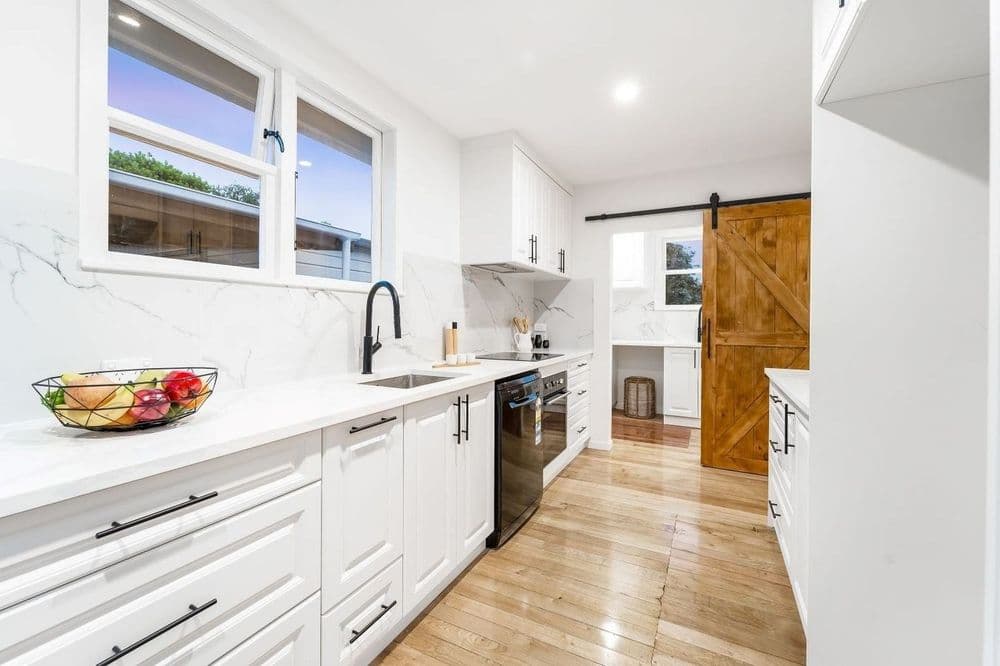

Vendor Listing Unlocked Through Finance Strategy
Problem
The vendors needed to upgrade to a new home to secure school zoning for their children. They had found their ideal property but couldn't settle their existing home before settlement was due on the new purchase, which created understandable concern about timing and housing security.
Strategic Action
We arranged bridging finance based on the unconditional sale contract of their existing property, allowing the new purchase to proceed before the sale settled.
Outcome
The new home was secured without pressure, and the existing property settled six weeks later, giving the family certainty and the ability to move forward on their own terms.
Investment Property Finance in Auckland
Financing an investment property in Auckland works differently from buying a home to live in. Investor lending carries higher deposit requirements under the Reserve Bank's LVR rules, rental income is shaded in the serviceability assessment, and the way you structure borrowing across multiple properties has consequences that compound over years — not just at the point of purchase.
For existing Auckland homeowners, the most common pathway into a first investment property is releasing equity from your own home to fund the deposit. How that equity release is structured — standalone versus cross-collateralised, secured against which property, and at what LVR — affects your flexibility to sell, refinance and keep growing later. These are the decisions where a finance-first, strategic approach pays off.
Whether you're buying your first rental or scaling a portfolio, Nick brings both broker expertise and personal experience as a property investor. He models your borrowing capacity, structures lending to protect future growth, and coordinates with your accountant on the tax side. For the full picture on how investor lending works, read our guide to investment property mortgages in Auckland.