
They've got the keys. The refinance is done, the equity is working for them, and their first investment property is theirs.
Six weeks ago, none of that looked likely.
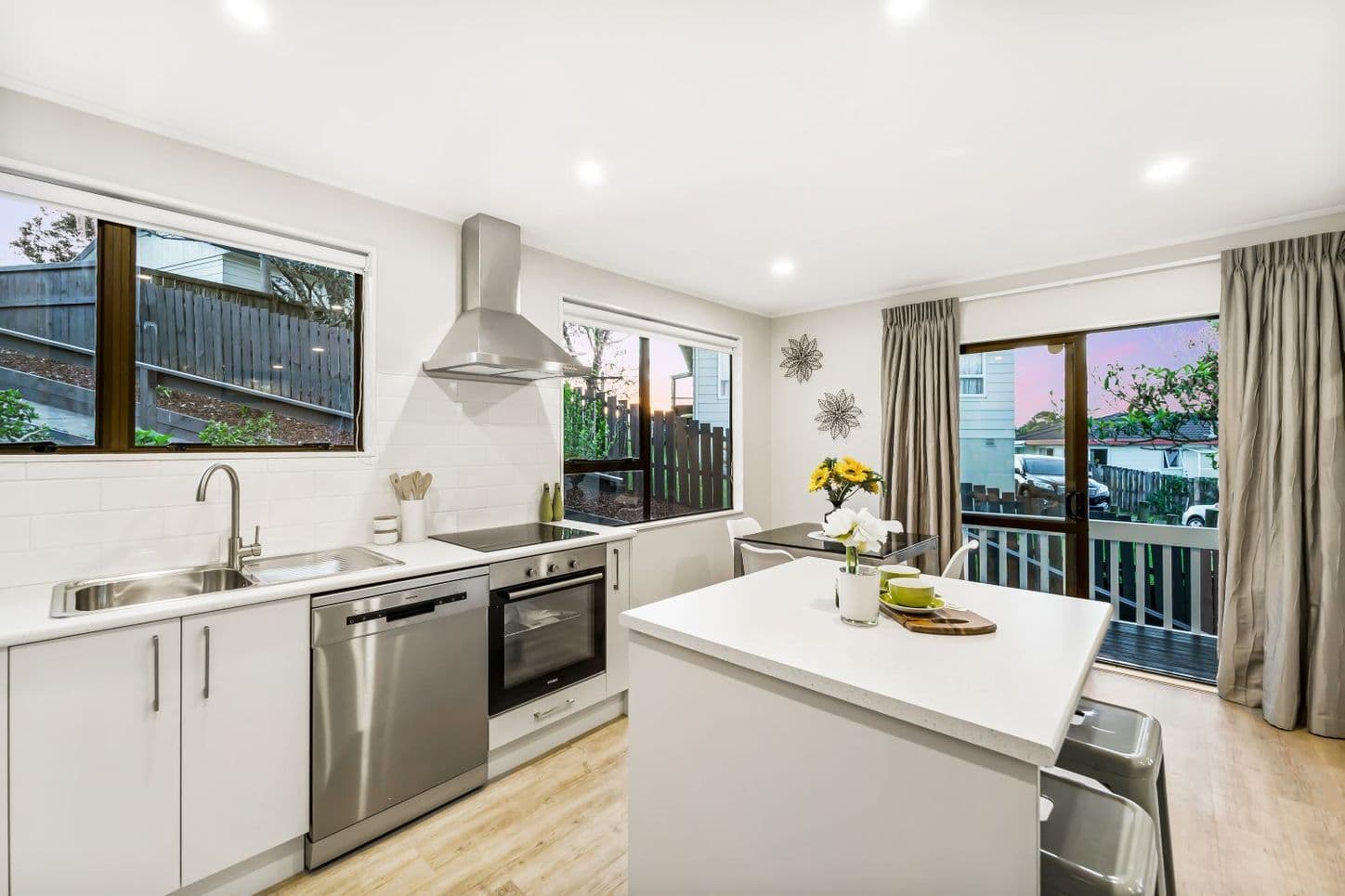
Where it started
A couple came to me with a goal a lot of Kiwis share: buy their first investment property, using the equity they'd built in their family home to fund the deposit. Good income, good conduct, a home they'd owned for years. Exactly the kind of position that should work.
Then the bank's property valuation came back well under what the home was actually worth. Suddenly the equity we needed wasn't there.
The first win: a registered valuation
We didn't accept the number. I ordered a registered valuation, with a registered valuer walking through the property properly rather than relying on a desktop estimate, and it came back where it should have been.
That was the first thing that went right, and it was enough to get us where we needed to be.
The second hurdle: the bank wouldn't release the equity
The valuation was sorted, but their existing bank wouldn't release enough of that equity to make the purchase work. The money was there. The bank just wouldn't let them use it.
That's where a lot of people stop. One bank says no, and they assume the answer is no.
The second win: the right lender
It isn't. A bank saying no is one lender's policy, not a verdict on your situation.
I took the whole position to a different lender, one that would fund both the family home and the investment property together, release the equity in full, and do it at a sharper home loan rate than they'd been paying. So the refinance didn't just unlock the deposit. It saved them money every month on the mortgage they already had.
From there it was a matter of working through the details: a valuation on the new build, a building and weathertightness report, insurance, and an overdraft arranged to bridge the deposit timing. Normal stuff when a deal has moving parts. We worked through it one item at a time.
Where they landed
Two properties, one lender, a lower rate, and a foothold in the investment market that they didn't have six weeks ago.
- Family home refinanced at a better rate than they started on
- Equity released in full, unlocking the deposit
- First investment property settled
What made the difference
These clients were brilliant. Every document I asked for turned up. Every call got answered. When the plan changed, they backed the new one.
My job was to keep finding the next option: the registered valuation when the first number came in low, the right lender when their bank wouldn't go far enough, and a way through each condition as it came up. Their job was to hold their nerve, and they did.
That's the partnership that gets deals done.
If a valuation has come in low, or your bank won't release the equity you know is there, that's one lender's answer, not the answer. I'm a mortgage adviser based in West Auckland, working with clients across Auckland on home loans, refinancing, equity release and investment property lending. If your situation has a few moving parts, that's exactly the kind of work I enjoy.
Frequently Asked Questions
Ready to talk through your situation?
Articles explain the concepts — a strategy call with Nick gives you clarity on what this means for you specifically.
Book a Free Strategy Call